
CHEF
Use cases

Built for kitchens
that really cook.

We've worked in and alongside food businesses of every shape, from food trucks to central kitchens. These are the ones CHEF was built for, what their days actually look like, and where CHEF fits in.

Shared kitchens

One kitchen, a dozen businesses

A shared kitchen hands the same walk-in, ovens and prep tables to a caterer at 6 a.m., a baker at noon and a food truck at night. The equipment is shared, but the responsibility isn't, and when the inspector asks who logged the walk-in temperature last Tuesday, "someone" isn't an answer.

  • Every reading on shared equipment goes on one record, with who took it and when.
  • Cleaning and changeover checklists between users, with readings that have to pass before a step closes.
  • Cooler and freezer sensors can watch the walk-in overnight (being fitted to hardware now).
  • Each business can run CHEF with its own crew, PINs and records.

Coming: booking by the hour, door access tied to the schedule, and renter billing.
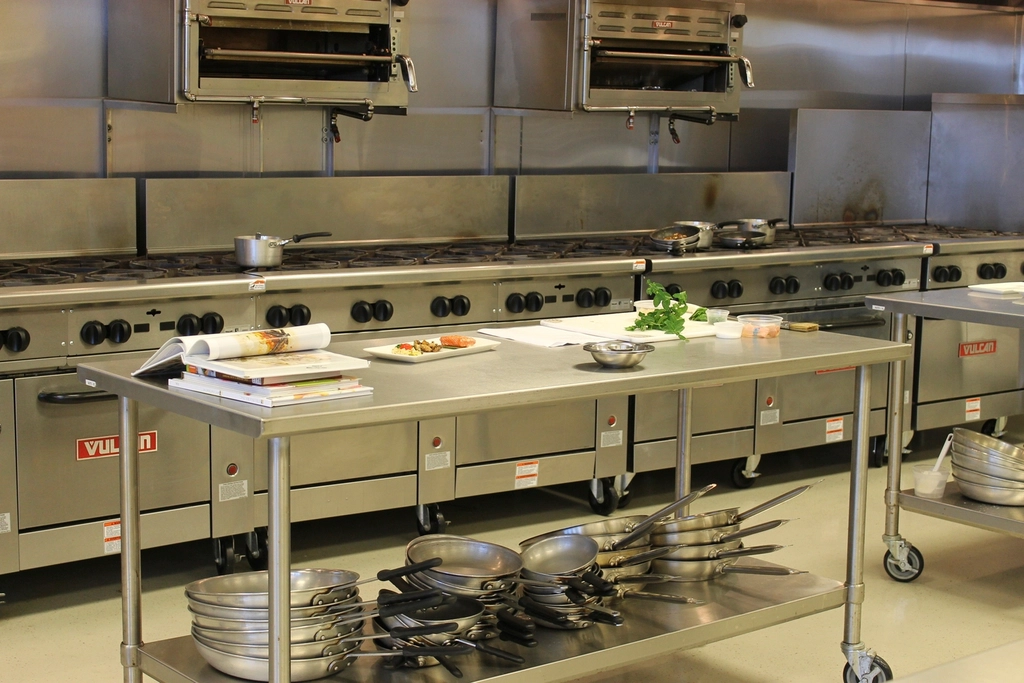
A clean stainless-steel shared kitchen
Commissaries

The kitchen behind the trucks and carts

A commissary preps, stores and stages food for operators who sell it somewhere else. The hard part is the paper trail: what was made, how it cooled, what left on which truck, and whether the walk-in held overnight.

  • Production runs scale the recipe and keep a clock on anything sitting out of temperature.
  • Two-stage cooling logs, receiving checks and corrective actions on one food-safety record.
  • Prep and day labels print from the same record, so the label matches the log.
  • Team stock counts from phones, and waste logged with a reason.
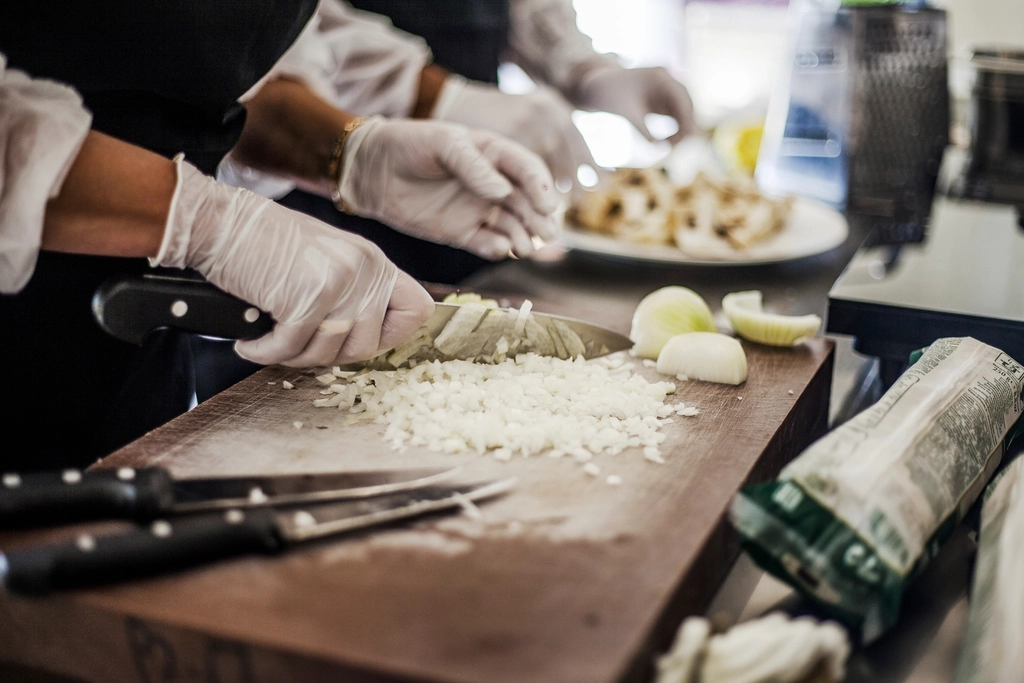
Gloved hands prepping vegetables
Restaurants and quick service

Every ticket in one place, and the night's cost before close

Tickets come from the counter, the website and catering, and they all end up on the same line. Meanwhile the owner finds out what labor and food really cost when the books close, a month after it could have been fixed.

  • Counter, kiosk, online and catering orders on one kitchen display, routed to stations.
  • Crew 86 an item the moment it runs out, and a manager voids a ticket right at the station.
  • Today's food and labor cost, live, from the crew clock and recipes.
  • Opening and closing checklists the crew actually finish.
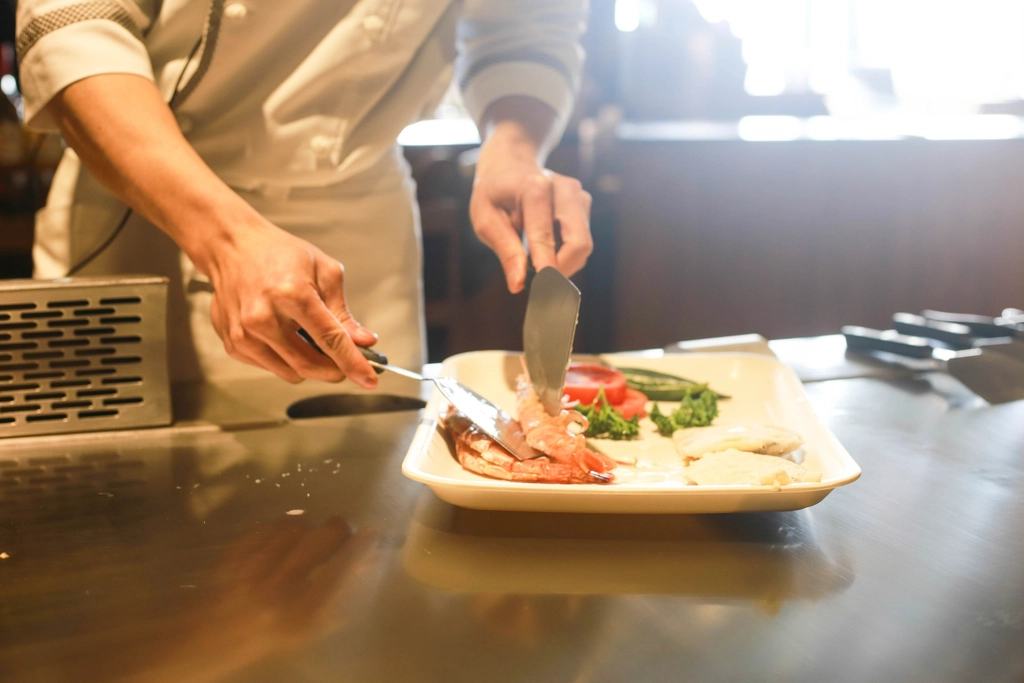
A cook plating a dish at the pass
Food prep and production kitchens

Make 300 of it, the same way every time

Central kitchens and prep businesses live on batches. The recipe has to scale, the crew has to pull the right things, and nothing can sit out too long between steps.

  • A lead starts a run from a recipe and a target count; CHEF scales the ingredients and keeps the version it was made with.
  • Crew will join from their phones with a QR code and their PIN and scan what they pull (the run screens are being finished).
  • A danger-zone clock runs until food is back in cold storage at a passing temperature.
  • Yield is recorded at the end, so plate cost reflects what you actually got.
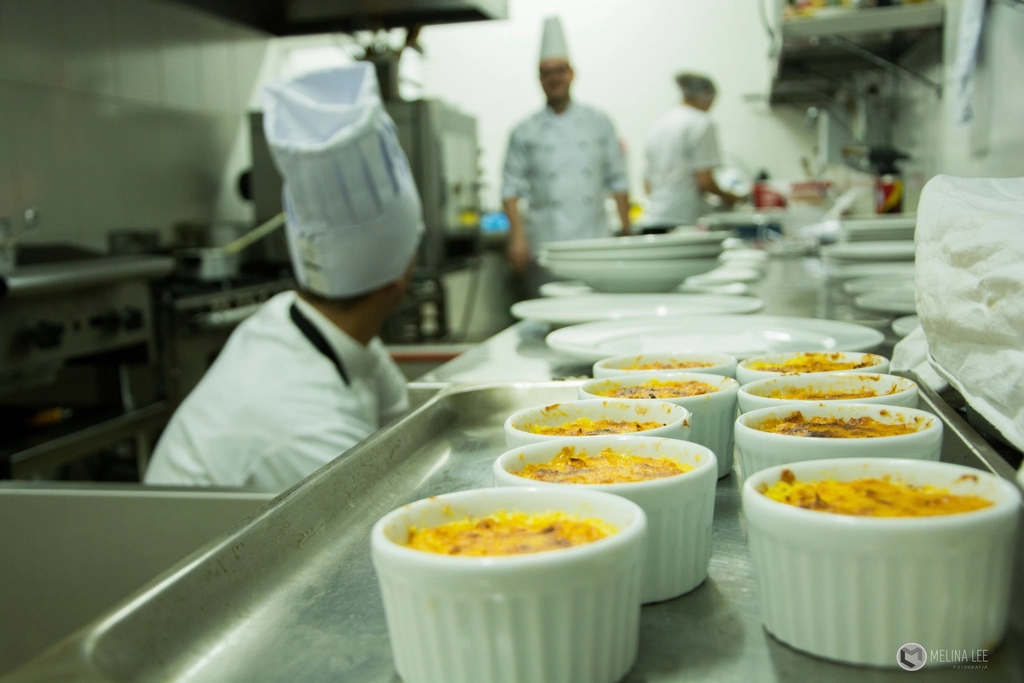
Cooks working a row of ramekins on the line
Grocery deli and prepared foods

A full hot case, without throwing half of it out

The deli runs two businesses at once: a counter where people want a sandwich now, and a hot case where chicken has to be fresh, hot and not over-held. Too little and the case is empty at lunch. Too much and it goes in the bin at two.

  • Hot-hold counts down as sales ring in, and says when a batch is low or getting old.
  • An ordering kiosk by the counter: guests order, take a number, and pay at the front.
  • Placement temperatures and re-temps go straight to the food-safety log.
  • Hold labels and day labels print from the batch.
  • Shelf labels flash when the kitchen calls for an item, show par levels, and feed a proposed reorder.
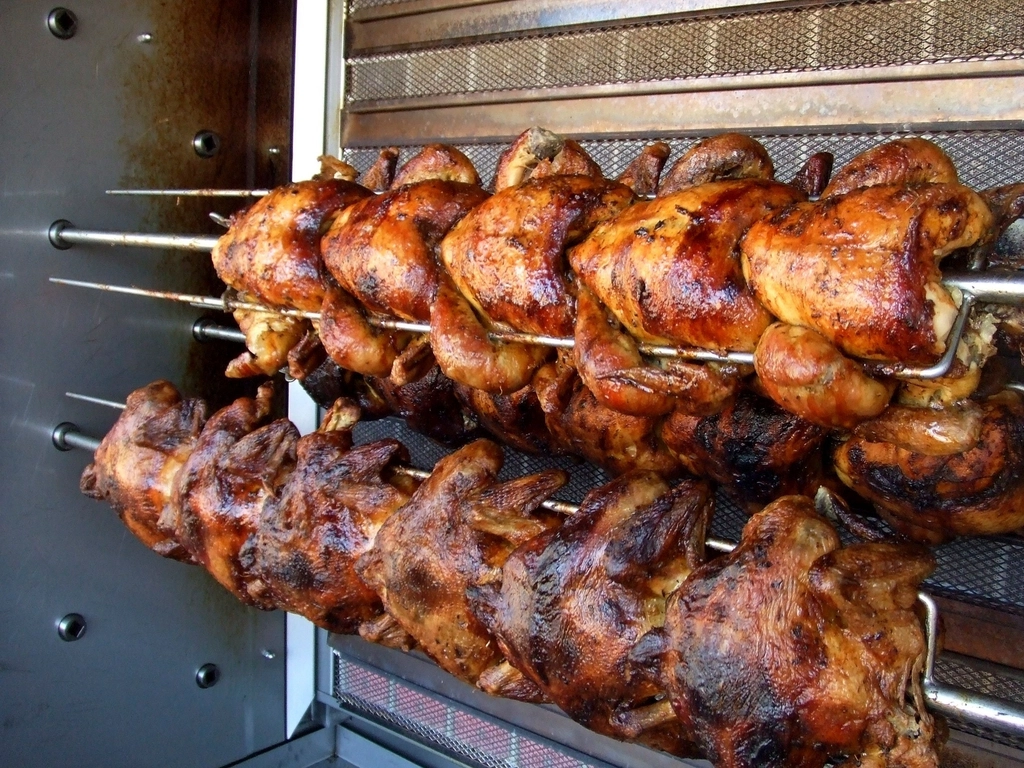
Rotisserie chickens turning on the spit
Food trucks

A whole kitchen system on one phone

A truck has no back office, no office manager and no room for another screen. Orders, the clock and the temp log all have to fit on the phone or tablet already in the window.

  • The kitchen display, crew clock and checklists run in the browser on a phone or tablet.
  • Card-first online orders: the kitchen only cooks what's paid for, and the money goes to the truck's own account.
  • A new order reaches the truck by push notification, even when the screen is asleep.
  • The opening checklist, fryer oil reading included, is done before the window opens.
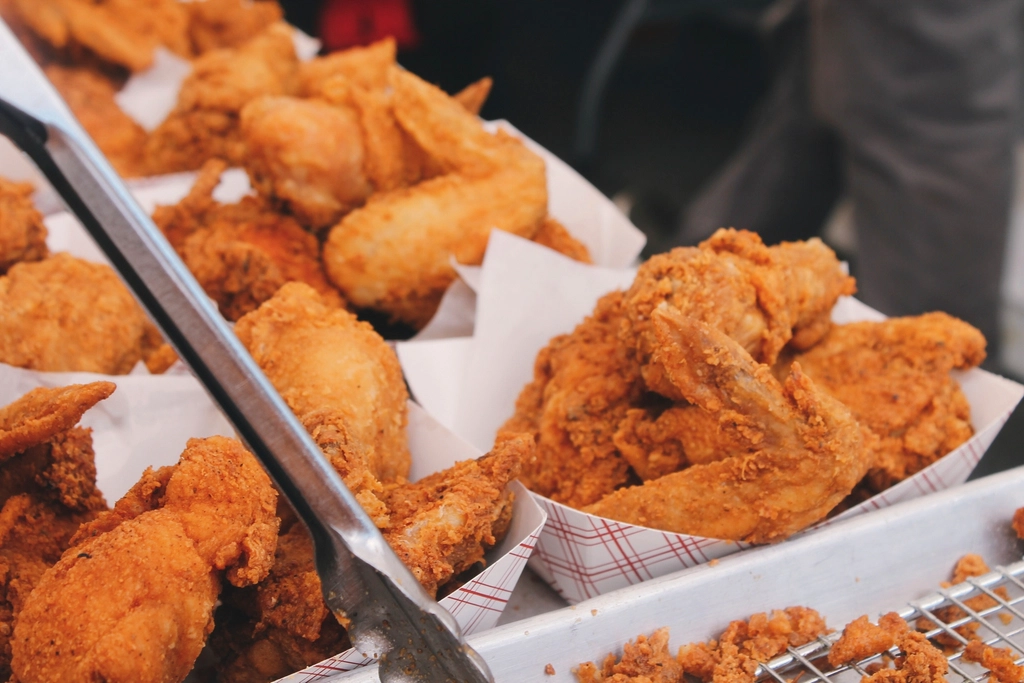
Baskets of fried chicken ready at the window
Catering and events

Know what an event made before you take the next one

Every event is its own small business: a quote, a menu, a crew and a delivery time. Most caterers find out whether it made money weeks later, if ever.

  • Requests come in from your own form; nothing is priced or booked until you say so.
  • Quotes show food, labor and prime cost against your targets, and the customer copy shows only the price.
  • A calendar with daily limits, so the kitchen doesn't take on more than it can cook.
  • Production scales from the headcount, and a review afterwards compares quoted with actual.
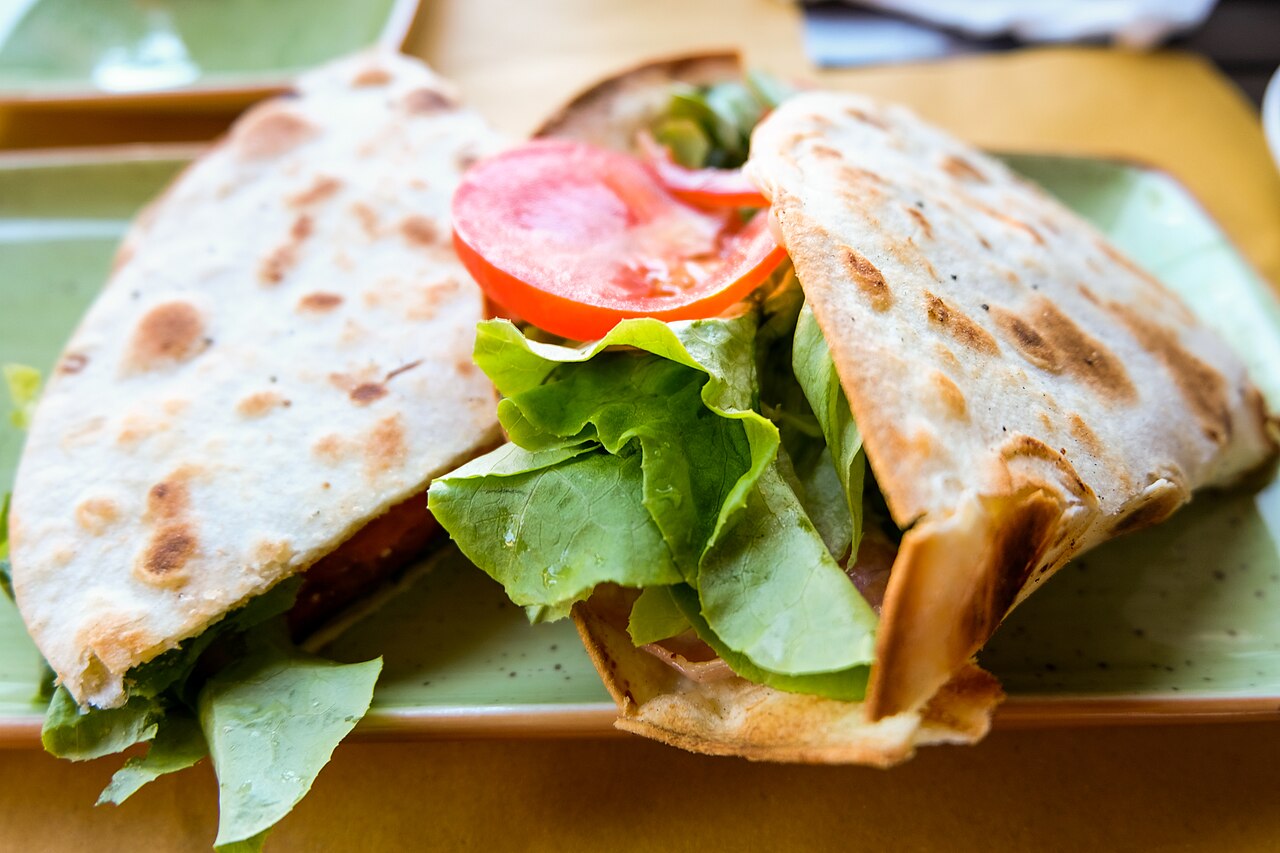
A plated sandwich with salad
Bakeries

Early starts, big batches, short shelf lives

Bakeries start before dawn, bake in volume and sell against the clock. What matters is what goes in the oven, what's on the shelf by opening, and what's still good by close.

  • Production runs for each bake, scaled from the recipe.
  • Day labels and prep labels with dates printed from the run.
  • Opening checklists and equipment temperatures logged before the doors open.
  • End-of-day counts and waste, so tomorrow's bake is closer to what sold.

Coming: pre-paid orders ahead, with pickup times and cutoffs.

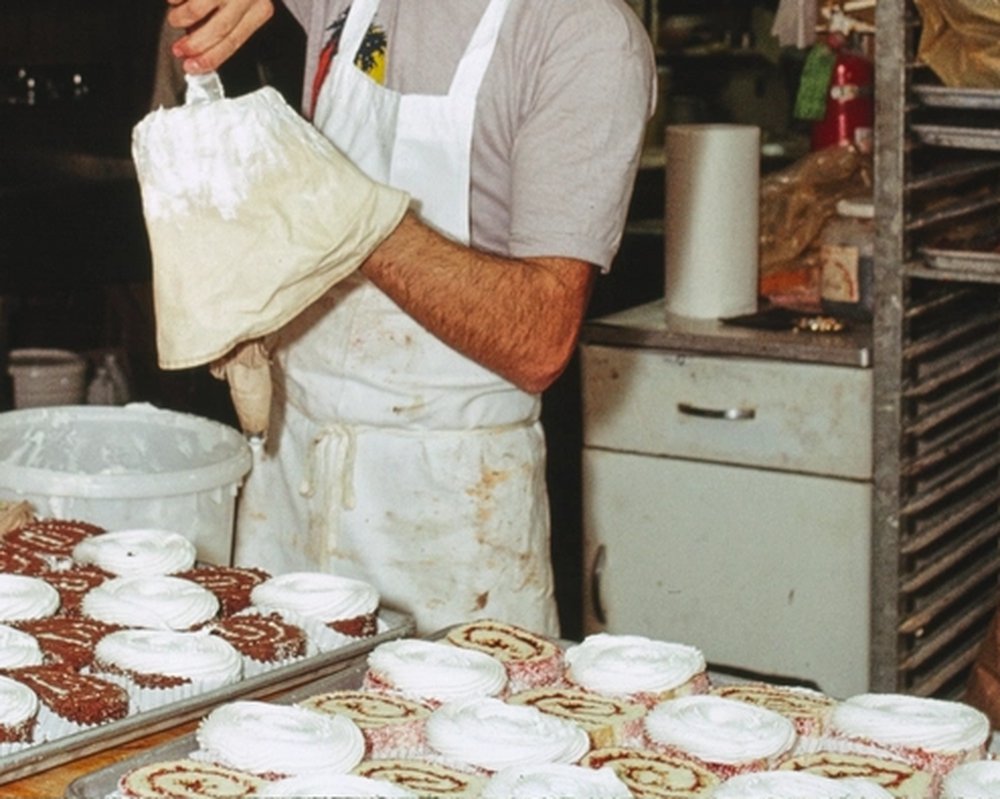
Piping icing onto trays of pastries
Meal prep

A weekly menu, cooked, cooled, labeled and out the door

Meal prep is production with a deadline: cook it, cool it safely, portion it, label it and get it to customers on the day. One missed cooling log or one wrong label can undo the week.

  • Production runs scaled to the week's orders.
  • Two-stage cooling logs that flag a stage that misses its limit.
  • Labels printed from the batch, so what's on the label is what's in the log.
  • Plate cost per meal from the recipe, with price suggestions when ingredients move.

Coming: weekly order drops with cutoffs ("order by Thursday, pick up Sunday").

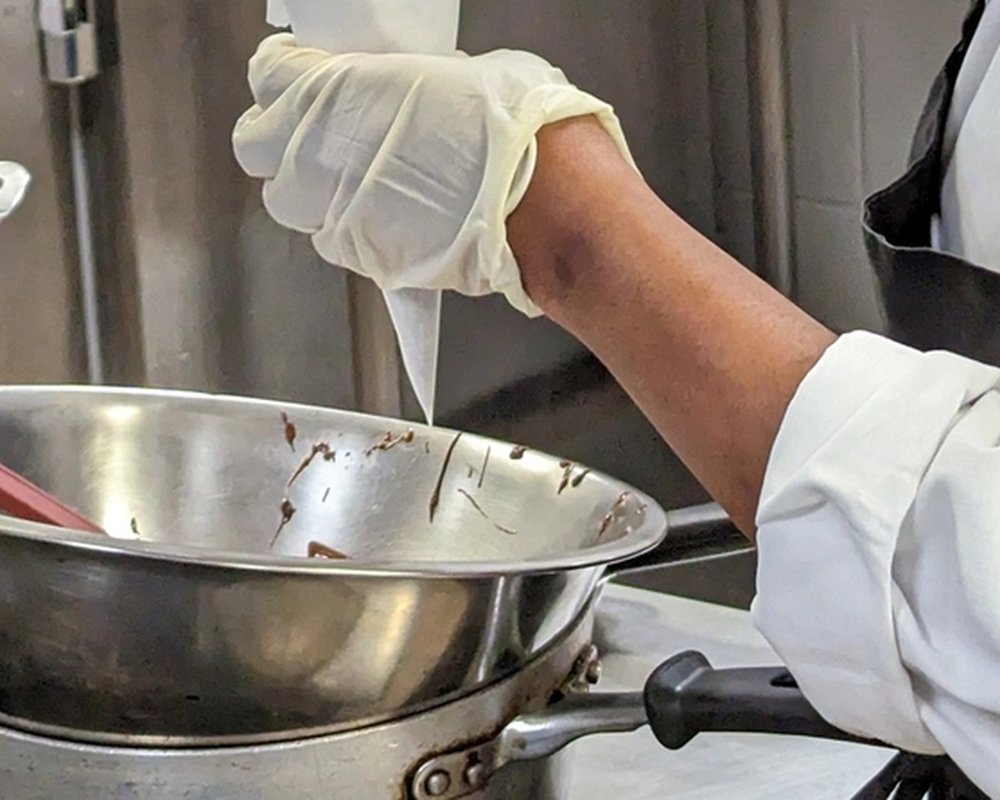
Gloved hands piping chocolate over a mixing bowl
Ghost kitchens and delivery

Every channel, one line, no lost tickets

A delivery kitchen lives on tickets from several places at once, with no dining room and no slack. A ticket stuck on the wrong tablet is a refund and a bad review.

  • Every order on one display, marked with where it came from and how long it has waited.
  • Stations see only their own items, and expo sees everything.
  • Late tickets turn red before the driver is standing there.
  • Wait estimates from your own recent prep times, not a guess.
Fry baskets at the fry station
Schools, hospitals and corporate dining

Food-safety records that hold up, on your own servers

Institutional kitchens cook at volume for people who can't just go somewhere else, and they answer to inspectors, auditors and their own IT department. The records have to be complete, and the data usually has to stay inside the building.

  • Temperatures, cooling, receiving and corrective actions on one append-only record, printable for an inspector.
  • Hot-hold, probe and equipment limits come from your own food-safety plan, confirmed by an owner.
  • Equipment monitoring for coolers and hot wells, with work orders when something drifts (being fitted to hardware now).
  • CHEF installs on your own hardware, with its AI running locally, so records stay on your network.
A busy commercial kitchen during service
Don't see your kitchen?

Tell us how yours runs

If you cook food for people, CHEF probably fits somewhere in your day. Write to [email protected] or try the demo first.